
 AU
AU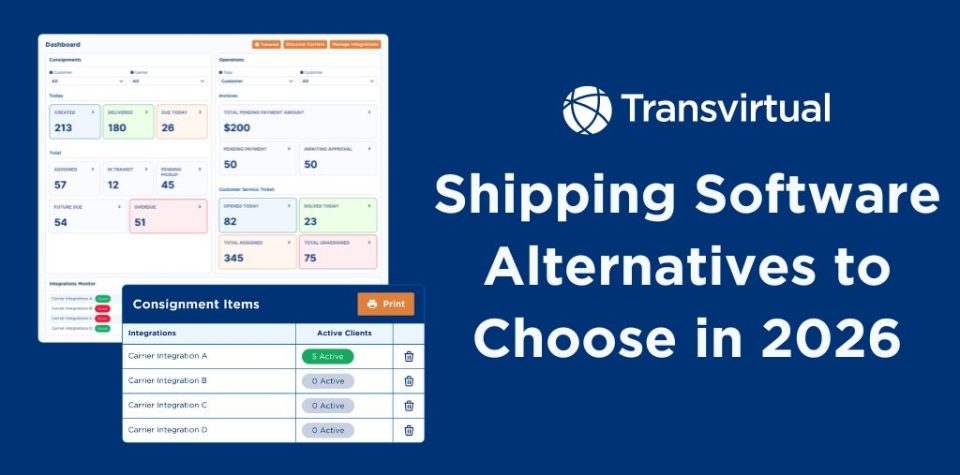
Most businesses only think about their shipping platform when it stops working. That's usually a rate hike, a service failure, or in the most extreme case, a provider disappearing entirely and taking their bookings with it.
Sendle's abrupt exit from the Australian market in January 2026 was the sharpest recent version of that scenario, but the underlying problem exists for any business that has built its entire fulfilment workflow around one carrier and one platform.
This isn't really an article about Sendle. It's about what a resilient shipping setup looks like, and which platforms actually deliver on that for Australian businesses.
Matching the Software to How You Actually Ship
Not every business replacing a shipping provider needs the same thing, so it's worth being specific about your situation rather than working off a generic checklist.
If you're shipping under one carrier right now, the priority is redundancy. You want a platform that connects you to more than one carrier, including Australia Post and MyPost Business, so a single provider going dark doesn't stop your shipping operations again.
If you're managing growing order volume, the priority shifts to automation. Bulk label printing, automatic rate card updates, and freight consolidation matter more than the carrier count, because manual handling is what breaks first as volume climbs.
What to Look for in Shipping Software
Multiple Carriers, Not One
Your platform should connect you to several carriers, including Australia Post and MyPost Business, so one carrier's problems never stop your shipping operations.
Direct Carrier Relationships, Not a Marketplace
Some platforms auto-route your parcels to whichever carrier is cheapest that day. That means inconsistent service and no real relationship with the carrier handling your freight. Look for a platform that lets you connect directly and negotiate your own rates.
Fast Setup
If you're switching under time pressure, you need to be shipping again within days. Clear onboarding and responsive support make or break this.
Real Integration
Your ecommerce platform, inventory management system, and accounting software should sync automatically. No manual re-entry, no double handling.
Automation That Actually Removes Work
Print shipping labels in bulk, automatic rate card updates, and freight consolidation should cut hands-on time, not just move it around.
Pricing That Scales With You
Avoid setup fees, per-carrier fees, or per-user subscription fees that climb as you grow. Unlimited users and predictable pricing are signs of a platform built for growth, not one designed to charge more as you succeed.
Shipping Software Alternatives to Look Out For
There's no shortage of shipping software on the market, from carrier marketplaces to warehouse-first platforms to trucking dispatch tools, and picking between them usually comes down to how much control you want over your carrier relationships versus how much you want automated for you.
We've looked at what's out there, and biases aside, we recommend Transvirtual.
Why Transvirtual Is the Best Choice
Unlike shipping marketplaces, Transvirtual gives you direct, self-managed carrier connections, so you stay in control of your rates, carrier relationships, and shipping operations as your business grows.
Connect to Australia's broadest carrier network, including Australia Post and MyPost Business.
Keep your own negotiated carrier rates with no rate-shopping or pricing markups.
Automatically import orders from your ecommerce platform, ERP, or WMS.
Consolidate freight across shared routes to reduce shipping costs.
Print labels in bulk to speed up fulfillment.
Keep carrier rate cards up to date automatically or on demand.
Manage delivery inquiries from one built-in customer service module.
Scale without paying more as you add carriers, users, or order volume.
Track carrier performance and shipping costs with built-in reporting for finance and operations.
For businesses replacing a single-carrier setup, that's the difference that matters. Carrier redundancy, direct control, and pricing that scales with your business, all in one platform. Book a personalized demo (its free and requires ZERO commitment) or watch the automated demo to see how it works.
Frequently Asked Questions
The biggest risk is that your entire fulfilment workflow depends on that one carrier staying operational, competitively priced, and able to handle your order volume. If it can't, whether due to a service outage, a rate change, or a shutdown, you have no way to keep shipping until you set up an alternative.
No. A carrier marketplace automatically routes your shipments to whichever carrier is cheapest, often at the cost of consistent service quality, while genuine multi-carrier shipping software lets you connect with and maintain relationships with the specific carriers you choose.

 Visit our US site