
 AU
AU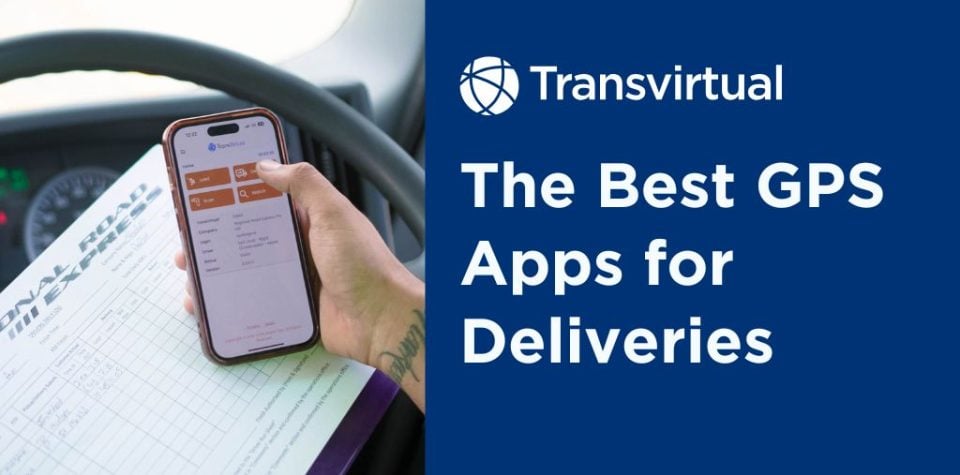
 People in the logistics industry know that nothing matters more to customers than timely deliveries. Whether you're managing a small delivery business or running a large logistics company, choosing the right GPS app for delivery drivers can make or break your efficiency on the road.
Today, we're putting the three most common GPS and mapping solutions head to head, so you can find the best GPS app for your delivery routes, optimize your multi stop route planning, and save time on every job.
Why Is GPS Important for Delivery Drivers?
What's tricky about coordinating outbound deliveries is that drivers most likely have never been to the delivery location before. And it's even more unlikely that a driver knows the fastest route from one destination to another when doing multiple stops on the same route per day. A reliable GPS app helps delivery drivers plan efficient routes, avoid traffic, reduce fuel costs, and keep customers happy.
Decades ago, the solution might have been for a manager to sit down with a physical map. These days, modern GPS has become a crucial part of the delivery process.
Modern route optimization software goes even further, providing real-time traffic data to determine the most efficient routes, helping drivers complete more delivery jobs in less time and at lower fuel costs.
1. Google Maps, Apple Maps, and Free Navigation Apps
Free navigation apps like Google Maps and Apple Maps are the most accessible GPS apps available on mobile devices today. They offer a convenient solution for delivery drivers who need basic route planning without spending a cent.
Pros of Free GPS Apps
Cost: With a price tag of $0, a free app like Google Maps or Apple Maps is perfect for small businesses and startups doing only a few deliveries a day. You can plan your own route, add stops, and get to your destination without any subscription fees. The free version is a great starting point for anyone new to delivery jobs.
Convenience: Most phones come with a navigation app pre-installed and ready to go. Minimal setup time means drivers can get on the road fast — ideal for unplanned deliveries or new delivery jobs.
Fastest Route: Apps like Google Maps use real-time traffic data to help drivers avoid traffic and find the fastest route to their destination.
Cons of Free GPS Apps
Limited Scale: Most free mapping apps only allow a limited number of stops per trip. For delivery drivers handling more than 5–10 deliveries per day, multi stop route planning becomes difficult or impossible without a more capable route planner.
Manual Data Entry: Free GPS apps require manual entry of address data for each delivery. Routing can't be shared between devices, which takes up excess time and increases the risk of errors. If you need to manage multiple routes across a team, a free app won't cut it.
No Offline Maps: Free versions of navigation apps often lack robust offline maps, which can be a significant drawback for drivers in areas with poor network connectivity.
Data Sharing Limitations: Free apps are designed for personal use and don't offer the data sharing or customer communication features a logistics company needs. There's no way to share driver progress with clients, which can lead to failed deliveries and customer complaints.
2. Paid Mapping Apps and Route Planners
If you need something more powerful than the free version of Google Maps, paid route planner solutions offer advanced features designed specifically for delivery drivers and growing businesses.
Tools like a dedicated delivery route planner or spoke route planner give drivers the ability to plan optimized routes with an unlimited number of stops — something free apps simply can't offer.
Pros of Paid Mapping Apps
More Powerful Route Planning: Paid delivery apps are built for businesses. They allow drivers to handle multiple routes, manage stop duration, and offer route sharing between devices — making them ideal for medium-scale delivery operations. Some even support unlimited routes, letting you plan and manage as many delivery routes as your business needs.
Route Optimization Software: Many paid apps come with built-in route optimization, automatically calculating the most efficient routes to reduce fuel costs, save time, and help drivers complete more jobs. Features like multi stop route planning and time windows ensure drivers follow optimized routes without getting stuck in traffic.
Mileage Tracking: Paid versions often include mileage tracking, making it easier for delivery drivers to log their base pay, manage expenses, and reduce errors in reporting.
Available on Google Play: Most paid delivery apps are available on Google Play and the App Store, making them accessible across Android and iOS devices.
Cons of Paid Mapping Apps
Integration Limitations: Paid mapping apps don't always offer the same level of integrations as full delivery management systems. This can cause data management issues when transferring information between platforms, and administrative headaches from chasing paperwork.
Not All-Inclusive: While paid apps provide a useful range of features for managing the delivery process, they're still not a complete solution. Some paid apps also lack speed limit warnings and alerts, which are crucial for safe driving practices. For eCommerce businesses or those managing large fleets, a more comprehensive system may be needed.
3. Transport Management Systems (TMS)
A Transport Management System (TMS) is different from the other options because it isn't purely a GPS app — it's a holistic delivery app that combines route optimization software, GPS tracking, driver progress monitoring, and customer communication into one integrated platform. For any serious delivery business or logistics company, a TMS is the most powerful tool available.
Pros of a TMS
One and Done: A TMS takes a holistic approach by integrating GPS tracking, route optimization, and delivery management into one system. This means faster coordination across different areas of your business and less time spent on data transfer or manual admin tasks.
Smart Data Management: Use a TMS to measure and understand key metrics from the delivery process, including fuel costs, mileage tracking, stop duration, and address data — so you can make smarter decisions and reduce errors over time.
Better Communication: With features like text alerts, track and trace, instant messaging, and a customer portal, a TMS enables the highest level of communication, both within your business and with your clients. Customers can track driver progress in real time, reducing failed deliveries and complaints.
Optimized Routes at Scale: A TMS provides in-app features, including route optimization. It supports unlimited routes and stops, and handles multi stop route planning across an entire fleet — making it super easy to manage high delivery volumes for e-commerce and logistics operations.
Reduce Fuel Costs: By delivering via the most efficient routes every time, a TMS helps businesses reduce fuel costs, track mileage accurately, and keep overheads low — benefits that go far beyond what a basic GPS app can offer.
Cons of a TMS
Cost: A powerful TMS will come with a paid subscription. While many offer reasonable rates based on the size of your operation, if you're just starting out, a free app is probably the way to go. Some TMS solutions may also lack the ability to download offline maps, which can be a limitation for drivers in low-connectivity areas.
Resistance to Change: Implementing a new TMS often faces resistance from employees due to privacy concerns or fears of micromanagement via GPS tracking. The complexity of new technology can also disrupt existing workflows. Clear communication and comprehensive training are essential for a smooth transition.
Make Navigation Simple
Accurate and fuss-free routing is the key to maximizing delivery efficiency over time. Whether you're looking for a free app to manage a handful of stops or a full-featured TMS to optimize unlimited routes across an entire fleet, the right GPS app for delivery drivers will help you deliver on time, reduce fuel costs, keep clients informed, and grow your delivery business.
If you're a courier, freight manager, or transport enterprise looking for a TMS with the power to manage route optimization, GPS tracking, driver progress, and customer communication — look no further than Transvirtual.
Book a free personalized demo today and start planning your next deliveries.

 Visit our US site