
 AU
AU

Pallet utilisation plays a much bigger role in logistics performance than many businesses realise. When pallets aren’t packed efficiently, you often pay to transport unused space, handle more pallets than necessary, and increase the risk of product damage.
In a market like Australia, where freight distances are long and transport costs add up quickly, getting pallet utilisation right can make a noticeable difference. To understand how you can improve this, it’s important to begin with the basics of how pallet optimisation works.
How Does Pallet Optimisation Work
Pallet optimisation is the process of arranging cartons on a pallet in a way that maximises available space while keeping the load stable, safe, and compliant with transport requirements. It focuses on how products are stacked, how weight is distributed, and how much of the pallet’s footprint and height is actually used.
Pallet optimisation aims to reduce wasted space. Poorly sized or inconsistently stacked cartons underutilise pallets, increasing shipments and handling costs.
Here are the key factors that influence pallet optimisation:
Carton dimensions and weight: Inconsistent carton sizes make efficient stacking harder.
Pallet size and limits: Standard Australian pallets have height and weight limits that must be respected.
Product stackability: Some items can’t be stacked or need special handling.
Transport requirements: Linehaul, local delivery, and courier freight all have different constraints.
What Makes Pallet Loading Challenging
If pallet optimisation were easy, everyone would already be doing it well. In reality, logistics teams face several everyday challenges that make efficient pallet loading harder than expected.
Mixed SKUs and Order Profiles
Most orders aren’t made up of identical cartons. Different product sizes and weights make stacking more complex, especially when loads are mixed. Add last-minute order changes, and even the best pallet plans can quickly fall apart.
Time Pressure on the Warehouse Floor
Speed matters in busy warehouses. Pickers and packers are often under pressure to move fast, leaving little time to calculate the most efficient stacking pattern. In these situations, speed usually wins over optimisation, resulting in underfilled or unstable pallets.
Weight and Stability Concerns
Building a stable pallet isn’t just about fitting everything on. Overloading pallets creates safety risks, while poor weight distribution increases the chance of product damage. Unstable pallets may also be rejected by carriers, causing delays and rework.
Lack of Visibility and the Right Tools
Without clear data, inefficiencies are easy to miss. Many teams don’t track pallet utilisation, rely on manual calculations, or make decisions based on experience rather than insight. This makes it difficult to identify issues or improve over time.
7 Practical Tips to Optimise Pallet Utilisation
Pallet optimisation doesn’t require a major overhaul. Small, practical changes can unlock quick wins across warehousing and transport.
Standardise Carton Sizes
When carton sizes vary too much, efficient stacking becomes difficult. Standardising cartons makes it easier to build consistent pallets, reduce wasted space, and avoid overhang that leads to damage.
Know Your Pallet Height and Weight Limits
Every pallet has limits, and exceeding them can cause delays, rework, or rejected loads. Clear guidelines help warehouse teams build compliant pallets quickly while keeping safety at the forefront of mind. Knowing the limits upfront makes better decisions easier on the warehouse floor.
Stack Heavier Items at the Base
Weight distribution matters more than many teams realise. Placing heavier items at the bottom improves stability, lowers the risk of cartons shifting, and protects lighter products from crushing. It’s a simple rule that can significantly reduce damage and handling issues.
Use Consistent Stacking Patterns
Consistency speeds everything up. Standard stacking patterns reduce training time, minimise packing errors, and create predictable pallets that are easier to transport and handle. Documenting just a few proven patterns can make daily operations far more efficient.
Avoid Overhang and Underutilisation
Overhanging cartons increase the risk of damage, while underfilled pallets waste valuable freight space. The ideal pallet uses as much of the footprint and height as possible without compromising stability. A balanced, well-filled pallet is safer, cheaper to ship, and easier to handle.
Leverage Pallet Optimisation Technology
Manual calculations leave too much room for guesswork. Palletised freight software tools automatically determine the best stacking layout based on carton size, weight, and pallet limits. For growing operations, automation ensures consistent results, even during peak periods.
Review Pallet Performance Regularly
Pallet optimisation isn’t a one-time fix. Tracking utilisation rates over time helps identify problem SKUs, inefficient cartons, and opportunities to refine packing rules. Regular reviews turn small improvements into long-term savings.
Here's Why Businesses Love to Partner with Transvirtual
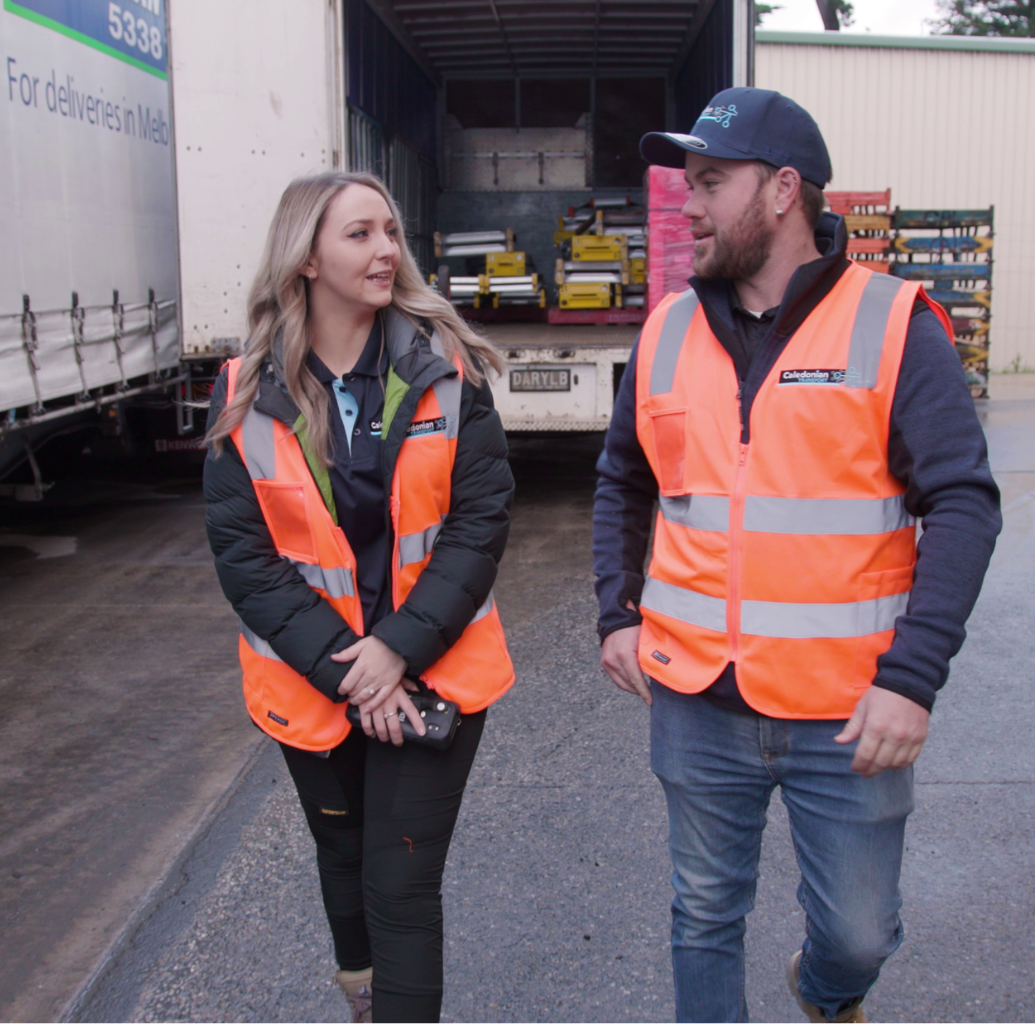
"Transvirtual has reduced customer enquiries by 50% and given our customers full visibility throughout the delivery process. We have also been able to review set routes and find major cost savings.."

Caledonian Transport
Frequently Asked Questions
Pallet utilisation measures how effectively a pallet’s space and weight capacity are used. Higher utilisation means less wasted space and fewer pallets shipped.
Yes. Improving how pallets are built lets businesses reduce the total number of pallets shipped, leading to lower freight and handling costs.
Pallet optimisation focuses on how products are stacked on a single pallet. Load optimisation looks at how pallets are arranged within a vehicle or container. Both work together to maximise transport efficiency.
Schedule a free strategy session
Talk to our team! Let's discuss your top logistics problems and find out if Transvirtual has the solution you need.


 Visit our US site