
 AU
AU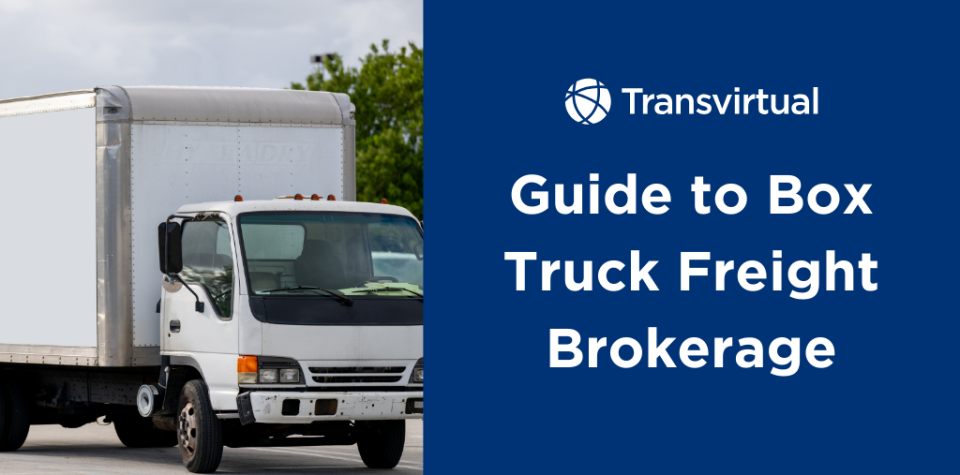
Table of Contents
Box trucks are a key part of commercial transport fleets across Australia. In fact, the box truck market size is projected to grow at a CAGR of 3.40% between 2025 and 2034.
They’re essential for businesses that need fast, reliable deliveries in cities, regional towns, and areas where larger trucks would be impractical.
Drivers of box trucks play a central role in logistics, coordinating with freight brokers and load boards to ensure efficient and timely deliveries. For businesses operating in urban areas or handling frequent, smaller loads, box truck freight brokerage is often at the core of their logistics strategy.
In this article, we’ll explain what box truck freight brokerage is, what a straight truck is, and how to find trusted brokers in Australia.
What is Box Truck Freight Brokerage?
Box truck freight brokerage involves connecting shippers with box truck carriers through intermediaries, freight brokers.
Selecting the right freight load broker is crucial for successful freight matching, as these brokers connect truck owners and carriers with suitable loads, improving operational efficiency and fostering beneficial partnerships that can lead to increased business opportunities and growth.
Box Trucks in Australia: Types and Applications
Box trucks—sometimes called straight trucks (depends who you ask!)—range from 10 to 26 feet in length. They are ideal for transporting furniture, appliances, parcels, and other goods requiring secure transport. Their rigid, enclosed cargo areas protect goods from the elements, making them perfect for local and regional deliveries.
Types of Box Trucks Commonly Used in Australia:
Refrigerated Box Trucks: Temperature-controlled trucks for perishable goods like food and pharmaceuticals, maintaining product integrity during transit.
Non-Refrigerated Box Trucks: Versatile trucks for general cargo transportation across industries.
Single Bridge Box Trucks: Compact vehicles suitable for urban deliveries and short-haul transport, offering manoeuvrability in congested areas.
Double Bridge Box Trucks: Larger vehicles with increased load capacity for longer hauls or heavier cargo.
Capacity Types:
Light-Duty Box Trucks – Ideal for smaller loads and urban deliveries.
Medium and Heavy-Duty Box Trucks – Suited for larger or heavier cargo over longer distances.
Propulsion Types:
Electric Trucks – Growing demand for environmentally friendly transport.
Internal Combustion Engine Trucks – Still widely used for commercial and industrial operations.
Box Truck Freight Brokerage
Freight brokers specialising in box trucks are critical for connecting shippers with carriers. They use load boards and digital tools to match trucks with suitable loads, considering factors like cargo size, delivery timelines, and geographic coverage.
This matching process involves considering various factors such as the size and weight of the cargo, delivery timelines, and geographic coverage. By leveraging the expertise of a freight broker, businesses can optimize their shipping processes, reduce transportation costs, and enhance customer satisfaction.
Trucker tools, including essential software and applications, further optimize load searches through real-time data, increasing efficiency in connecting with freight brokers.
For owner-operators, building strong broker relationships and leveraging technology ensures a steady workflow, maximises operational efficiency, and reduces transport costs. Reviews, ratings, and performance analytics help identify the most reliable brokers.
How to Find Box Truck Loads and Brokers
Finding reliable box truck brokers in Australia goes beyond networking and online directories:
Use load boards and digital freight platforms for real-time load matching.
Analyse performance metrics like on-time delivery rates and load acceptance rates.
Engage in industry forums, LinkedIn groups, and logistics communities to gain insights and recommendations.
Consider freight audit and payment companies to access broker performance reports and trends.
Understanding licensing is crucial: light box trucks may not require a heavy vehicle licence, but heavier trucks or those carrying hazardous goods do.
Growing Your Business with Box Trucks
Box trucks make urban and regional deliveries faster, more cost-effective, and reliable. Freight brokers ensure shipments are matched efficiently with the right carriers, taking into account cargo size, timelines, and locations.
Digital logistics solutions, from load matching and route planning to real-time tracking and analytics, are essential. They allow businesses to operate efficiently, reduce costs, and deliver excellent customer service.
Frequently Asked Questions
A box truck, also called a straight truck, is a rigid-bodied vehicle with an enclosed cargo area. They are commonly 10–26 feet long and ideal for local or regional deliveries of furniture, appliances, parcels, and other goods that need protection from the weather.
Box truck freight brokerage connects shippers with carriers through freight brokers. Brokers match available box trucks with appropriate loads, helping businesses improve efficiency, reduce costs, and ensure timely deliveries.
Freight brokerage connects shippers with carriers through brokers. Brokers match available box trucks with appropriate loads, helping businesses operate efficiently, reduce costs, and ensure timely deliveries.

 Visit our US site