
 AU
AU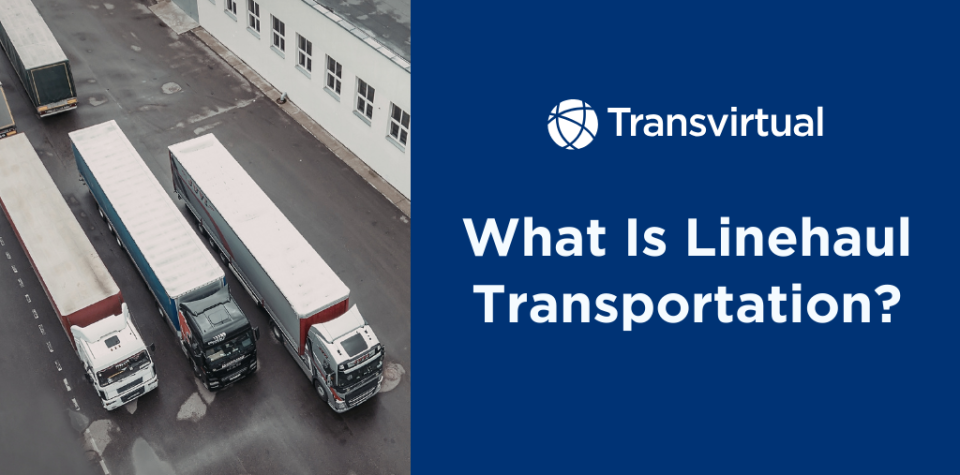
Efficiency and speed are more important to the logistics industry than just about any other sector. No matter the size of your business – large corporation or small enterprise – your shipping process must speedy and seamless if you want to satisfy customers.
That’s why so many businesses in logistics rely on linehaul transportation. It facilitates faster deliveries through long distance trailers.
This method ensures that large quantities of goods are transported quickly and efficiently over significant distances.
Today, we'll talk about linehaul trucking operations and explore the many ways your business can benefit from it.
What Is Linehaul Transportation
Linehaul logistics refers to the process of transferring goods between major hubs over long distances.
The term “linehaul” itself comes from logistics jargon where a line is a direct route between two points, and haul denotes the act of transportation. Thus, linehaul carriers move large quantities of goods transported over significant distances between cities, states, and even countries
Unlike last-mile delivery, which is more focused on the final leg of delivery to the end customer, linehaul transportation is all about bulk transfer.
As such, linehaul carriers use trucks, trains, cargo planes, and ships – the largest, most efficient vehicles available to shippers today. The primary goal here is to ensure those goods reach major distribution centers or hubs so they can then be dispatched to later destinations.
The Role of Linehaul Services in Logistics
Businesses in transportation and logistics transporting large volumes of goods benefit from lower costs per unit due to the economies of scale. This speeds up overall delivery times while helping in maintaining inventory levels and reducing time/space needed in storage facilities.
Plus, linehaul shipping services have more reliable and predictable schedules, factors that are crucial for planning and operational efficiency.
If your company works with a linehaul carrier, you can streamline your supply chain, reduce transit times, improve customer satisfaction, and experience reduced trucking costs through efficient linehaul distribution networks.
Types of Linehaul Operations
Linehaul delivery is typically categorised based on the mode of transportation used. Each mode has unique characteristics and tends to carry specific types of cargo across varying distances.
1. Ground linehaul transportation
Linehaul delivery by ground most commonly uses trucks and trains. Trucks are super versatile and can access most locations, making them ideal for regional or intercity deliveries. Trains, on the other hand, are extremely efficient at moving large volumes of goods over long distances within the same continental area.
2. Air linehaul transportation
Cargo planes are used for both international and intercontinental deliveries. They’re the fastest mode of transport and suitable for high-value or time-sensitive good shipments. However, they’re typically the most expensive option for shippers.
3. Sea Linehaul Delivery
Cargo ships are used to transport goods across vast expanses of ocean. This is a more cost effective method for bulk shipments and deliveries that aren’t particularly urgent. It’s much slower compared to air transport but can handle significantly larger volumes.
When you consider which option is best for your goods, you’ll need to weigh a few key components:
Transportation Modes and Vehicles: Which option you select depends on cost, speed, volume, and distance.
Scheduling and Route Planning: Planning efficiently is essential for minimising delays and optimising routes for your specific goods.
Technology and Tracking Systems: Advanced tracking and comprehensive transportation management systems (TMS) can ensure transparency and allow for better supply chain management.
It's also important to select linehaul carriers with expertise in handling both LTL and FTL loads, a track record of managing time-sensitive goods, a commitment to full SLA compliance, and a thorough understanding of regional regulations and compliance requirements.
Challenges and Solutions in Linehaul Transportation

Despite its clear advantages, a transport company using linehaul shipping services will experience its fair share of challenges.
The most common issues are shared by the majority of logistics businesses – delays due to traffic congestion, adverse weather conditions, and regulatory compliance. Plus, the high operational costs and maintenance of vehicles can lead significant hurdles for your linehaul network.
A key component of ensuring robust linehaul services is deploying transport and freight management tools to enhance linehaul carrier tracking:
Optimise Your Routes: Take advantage of advanced route planning software to find the most efficient paths.
GPS Tracking: Get real time visibility into freight movement.
Regularly Maintain Vehicles: Keep your fleet in top condition to avoid unexpected breakdowns and delays.
Compliance Training: Ensure your staff are well-versed in regulatory requirements to avoid fines and disruptions.
A Vital Component of Modern Logistics
As you can tell, linehaul delivery is pretty crucial for modern logistics. When you’re ready, your business can take advantage of its efficiency and cost-effective solutions and overcome any challenges you face with the right transportation management solutions partner on your side.
To learn more about linehaul delivery solutions and how your logistics business can achieve optimal efficiency, reach out to a member of the Transvirtual team today.

 Visit our US site