
 AU
AU
When transporting dangerous goods, every shipment must be accompanied by accurate documentation that complies with strict regulations to protect people, property, and the environment. Even a small documentation error, such as an incorrect UN number, missing declaration, or outdated Safety Data Sheet (SDS), can result in shipment delays, regulatory penalties, costly fines, or serious safety incidents. In Australia, businesses transporting dangerous goods by road and rail must comply with the Australian Dangerous Goods (ADG) Code, which sets out mandatory requirements for classification, packaging, labelling, and documentation.
Maintaining accurate freight documentation is essential for reducing operational risks and supporting safer transport practices. Modern freight management software helps automate dangerous goods documentation, minimise manual errors, improve compliance, and streamline freight operations. In this guide, we'll explore the key documents freight software should manage and the features that help businesses stay compliant and efficient.
What Are Dangerous Goods?
Dangerous goods are substances or articles that pose a risk to people, property, or the environment during transport because of their chemical or physical properties. Also known as hazardous chemicals or HAZMAT, these goods can ignite, explode, corrode, leak toxic fumes, or react dangerously if they are not packaged, handled, or transported correctly. Regulated dangerous goods are governed by the Australian Dangerous Goods Code and align with the Globally Harmonized System (GHS) and the United Nations Recommendations on the Transport of Dangerous Goods.
Common examples of dangerous goods include:
- Flammable liquids such as petrol and solvents
- Flammable gases and flammable solids
- Explosives used in mining and construction
- Corrosive dangerous substances such as battery acid and hydrochloric acid
- Compressed gases, including non flammable gases such as oxygen, alongside LPG
- Oxidising agents such as ammonium nitrate
- Infectious substances and radioactive substances
- Dry ice and other dangerous goods, including lithium batteries in consumer electronics and electric vehicles
- Pesticides and industrial chemicals
These products are assigned specific UN numbers, hazard classes, and handling instructions to ensure dangerous goods are transported safely.
The Nine Hazard Classes
The Australian Dangerous Goods Code sets out nine hazard classes that every dangerous goods class is grouped under, along with a packing group that indicates the level of danger the substance presents, from high danger (Packing Group I) through to low danger (Packing Group III). A quick-reference table like the one below is a useful addition to any freight software dangerous goods list:
| Class | Hazard Type | Example |
|---|---|---|
| 1 | Explosives | Fireworks, ammunition |
| 2.1 | Flammable gases | Liquefied Petroleum Gas (LPG) |
| 2.2 | Non-flammable, non-toxic gases | Oxygen |
| 3 | Flammable liquids | Petrol, solvents |
| 4 | Flammable solids | Matches, metal powders |
| 5 | Oxidising substances | Ammonium nitrate |
| 6 | Toxic and infectious substances | Pesticides, infectious substances |
| 7 | Radioactive materials | Radioactive substances used in medical imaging |
| 8 | Corrosives | Battery acid, hydrochloric acid |
| 9 | Miscellaneous dangerous goods | Dry ice, lithium batteries |
Freight software that can classify against the full dangerous goods list, rather than a partial set, gives businesses far more confidence that every consignment is correctly classified before it leaves the depot.
Why Dangerous Documentation Matters
Accurate dangerous goods documentation is essential for ensuring shipments move safely, efficiently, and in compliance with transport regulations. Every document serves a purpose, from identifying potential hazards to providing handlers and regulators with the information they need throughout the supply chain.
Regulatory Compliance
Dangerous goods documentation helps businesses ensure compliance with national and international transport regulations, including the Australian Dangerous Goods Code and mode-specific requirements for land transport, sea, and air transport. Required documents, such as Dangerous Goods Declarations (DGDs) and Safety Data Sheets (SDS), demonstrate that goods have been correctly classified, packaged, labelled, and prepared to carry safely.
Safety
Proper documentation gives carriers, warehouse teams, and emergency responders clear instructions on how to handle dangerous goods safely, helping to reduce damage, injury, and environmental harm if something goes wrong. It identifies hazard classifications, UN numbers, packing groups, and emergency procedures, allowing everyone involved to take the appropriate precautions and respond quickly if an incident occurs.
Faster Freight Processing
Accurate paperwork helps prevent unnecessary shipment delays caused by missing declarations, incorrect classifications, or incomplete transport documents. When documentation is complete and readily available, carriers can process consignments more efficiently, reducing administrative bottlenecks and helping deliveries stay on schedule, whether they travel by land transport or air transport.
Audit Readiness
Maintaining organised, accurate documentation makes compliance audits and regulatory inspections much easier. Businesses can quickly retrieve historical records, demonstrate compliance, and provide evidence that dangerous goods have been transported according to regulatory requirements. Digital document management within freight management software further simplifies record keeping, reduces paperwork, and ensures documentation is always accessible when it's needed.
Essential Dangerous Goods Transport Documents Freight Software Should Support
The documentation required for dangerous goods shipments depends on the mode of transport, whether by road, rail, sea, or air. While each has its own regulatory requirements, modern freight management software should be capable of managing the core documents used across all transport operations. Centralising these documents in a single platform helps reduce manual administration, improve accuracy, and ensure every shipment is supported by the correct information.
Dangerous Goods Declaration (DGD)
The Dangerous Goods Declaration (DGD) is one of the most important compliance documents for hazardous shipments. It confirms that dangerous goods have been correctly classified, packaged, marked, labelled, and declared for transport. Freight management software should automatically populate key information such as the UN number, Proper Shipping Name, Hazard Class, Packing Group, shipment quantity, and packaging details to minimise manual entry and reduce the risk of costly errors.
Safety Data Sheets (SDS)
Safety Data Sheets (SDS) provide detailed information about the properties of hazardous substances, including safe handling, storage, first aid measures, and emergency response procedures. Freight software should securely store SDS documents, maintain version control to ensure the latest information is always available, and allow users to quickly share them with drivers, warehouse teams, customers, or emergency responders when required.
Transport Documents
Beyond dangerous goods-specific paperwork, freight software should also manage supporting transport documents such as Bills of Lading, Consignment Notes, shipping instructions, and proof of delivery. Keeping these documents connected to each shipment improves visibility and ensures everyone involved has access to the latest information.
Labels and Placards
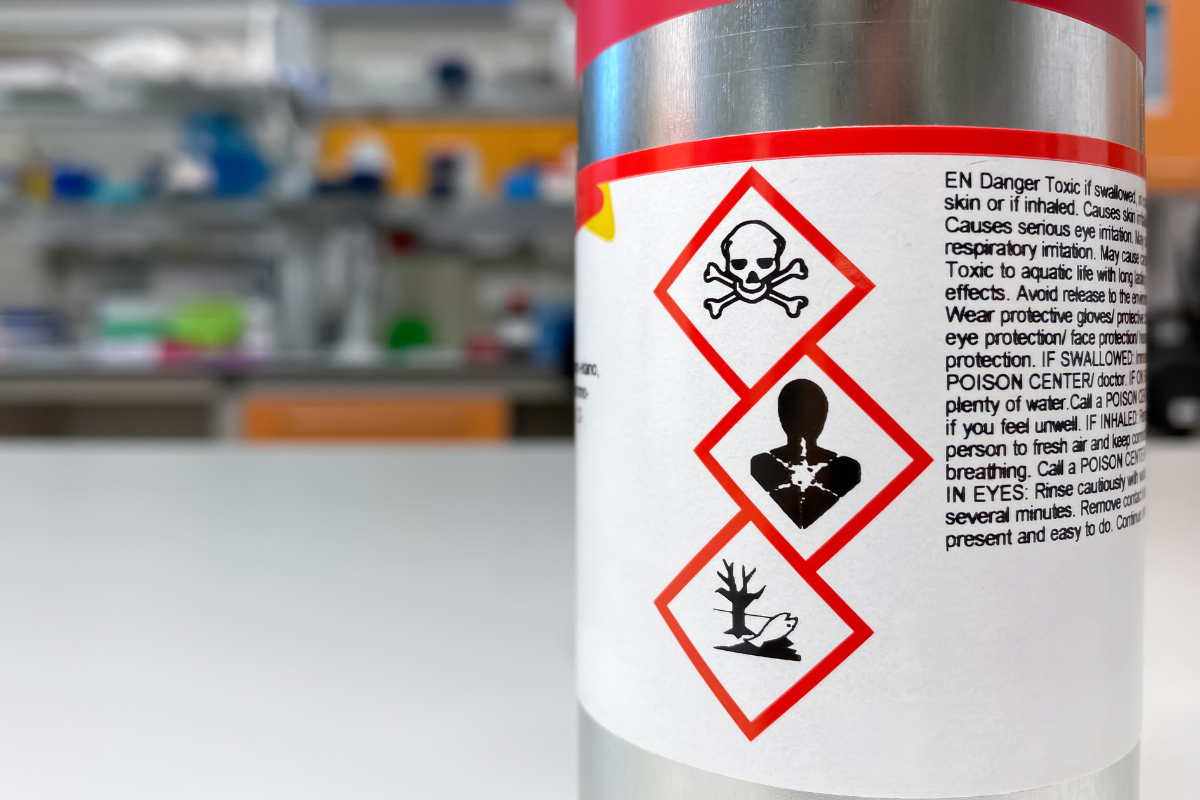
Correct labelling is essential for identifying dangerous goods throughout the supply chain. Freight management software should generate compliant labels and placards that include the appropriate hazard symbols, UN numbers, and package identification details. Automating this process helps businesses maintain consistency while reducing the risk of incorrect or missing labels.
Emergency Information
In the event of an accident or spill, immediate access to emergency information can make a significant difference. Freight software should store emergency contact details, handling instructions, and spill response procedures alongside each shipment, ensuring drivers, carriers, and emergency personnel can quickly access the information they need to respond safely and minimise risk.
Key Freight Management Software Features for Dangerous Goods Documentation
The right freight management software does more than digitise paperwork. It helps businesses build a more efficient, consistent, and compliant documentation process. By automating routine tasks and centralising information, transport operators can spend less time chasing documents and more time keeping freight moving.
Centralised Document Management
A central document repository ensures every dangerous goods record is stored in one secure location. Instead of searching through emails, paper files, or disconnected systems, staff can quickly access the latest declarations, Safety Data Sheets (SDS), transport documents, and shipment records whenever they're needed.
Automated Document Generation
Manually completing the same forms for every shipment is both time-consuming and prone to error. Freight management software can automatically populate DGDs and other required documents using shipment data that's already in the system, reducing duplicate data entry and improving consistency.
Validation and Error Checking
Built-in validation tools help identify issues before a shipment leaves the depot. Mandatory field checks, alerts for missing information, and incorrect dangerous goods classifications reduce the likelihood of incomplete documentation causing operational disruptions.
Dangerous Goods Classification Support
Many businesses transport the same products repeatedly. Freight software should allow approved dangerous goods classifications to be saved and reused, making it easier to create new shipments while ensuring product information remains consistent across the network.
Electronic Document Sharing
Documentation often needs to be shared with multiple parties throughout the delivery process. Freight software should enable secure electronic access for drivers, customers, carriers, warehouses, and customs authorities, ensuring everyone works from the same up-to-date information without relying on printed paperwork.
Document Version Control
Documentation changes over time as regulations evolve or shipment details are updated. Version control allows businesses to track revisions, maintain a complete document history, and ensure users always access the latest approved version.
Compliance Reporting
Preparing for audits becomes much simpler when documentation is searchable and centrally managed. Freight management software can generate compliance reports, retain historical records, and provide a clear audit trail that demonstrates how dangerous goods documentation has been managed over time.
What to Look for in Freight Management Software for Dangerous Goods
Choosing freight management software for dangerous goods involves more than comparing features. The right solution should help your business manage documentation efficiently, support regulatory compliance, and adapt as your operations evolve. When evaluating your options, look for these essential capabilities:
Configurable documentation workflows: The software should allow you to customise document approval processes, automate repetitive tasks, and align workflows with your operational requirements.
Support for multiple transport modes: If your business handles road, rail, sea, or air freight, choose a platform that can manage documentation requirements across different transport modes from a single system.
Electronic document storage: Secure, cloud-based document storage makes it easy to organise, search, and retrieve DGDs, SDS, and transport records whenever they're needed.
Integration with ERP, WMS, and accounting systems: Connecting your freight software with existing business systems reduces duplicate data entry, improves data accuracy, and streamlines end-to-end operations.
Mobile document access: Drivers and field staff should be able to view shipment documentation on mobile devices, ensuring important information is always available during transport.
User permissions and audit trails: Role-based access controls protect sensitive information, while audit trails record document changes and user activity to support accountability and compliance.
Automated notifications: Alerts for missing documentation, approval requests, or expiring records help teams address issues before they affect shipments.
Cloud-based access and scalability: Cloud transport software provides real-time access from any location and can easily scale as shipment volumes, customer demands, and compliance requirements grow, making it a long-term investment for expanding freight businesses.
Best Practices for Managing Dangerous Goods Documentation
Effective dangerous goods documentation relies on consistent processes as much as it does on the right technology. The following best practices can help businesses improve accuracy, reduce transport risks, and keep freight moving without unnecessary delays.
Standardise document templates
Use consistent templates for Dangerous Goods Declarations, transport documents, and internal forms to ensure the same information is captured for every shipment. Standardisation reduces errors and makes documentation easier to review.
Keep SDS up to date
Safety Data Sheets should always reflect the latest product information and regulatory requirements. Regularly reviewing and updating these documents helps ensure employees and transport partners have access to accurate safety information.
Train staff on documentation and classification requirements
Everyone involved in preparing, handling, or transporting dangerous goods should understand their documentation responsibilities and how correct classification is determined. Ongoing training helps staff stay informed about regulatory changes and reduces the likelihood of avoidable mistakes.
Digitise paperwork wherever possible
Replacing paper-based processes with digital documentation improves accessibility, simplifies record management, and makes it easier to share information with drivers, customers, and other stakeholders in real time.
Validate shipment data before dispatch
Reviewing shipment details before freight leaves the depot helps identify missing information, incorrect classifications, or documentation inconsistencies that could delay delivery or create compliance issues.
Maintain document retention policies
Establish clear policies for storing dangerous goods documentation and retaining historical records. This ensures information is available for audits, investigations, or future reference while supporting regulatory obligations.
Regularly review compliance procedures
Dangerous goods regulations and operational requirements can change over time. Periodically reviewing your documentation processes helps identify opportunities for improvement, ensures continued compliance, and keeps your business prepared for evolving industry standards.
Make Dangerous Goods Documentation Easy
Dangerous goods documentation plays a vital role in keeping freight operations safe, compliant, and efficient. As regulations continue to evolve, relying on manual paperwork and disconnected systems can increase the risk of documentation errors, shipment delays, and costly compliance breaches. Digitising your documentation processes not only improves accuracy but also makes it easier to manage records, share information, and respond quickly to audits or operational changes.
With Transvirtual Freight Management Software, transport businesses can centralise dangerous goods documentation, automate document generation, improve shipment visibility, and maintain accurate digital records from dispatch through to delivery. Drivers, office teams, customers, and other stakeholders can access the information they need when they need it, helping reduce administrative effort and support smoother freight operations.
If you're looking to simplify dangerous goods documentation while strengthening compliance, explore how Transvirtual can help streamline your freight processes and keep your business moving with confidence.

 Visit our US site