Reverse invoicing made simple

Accurately issue reverse invoices

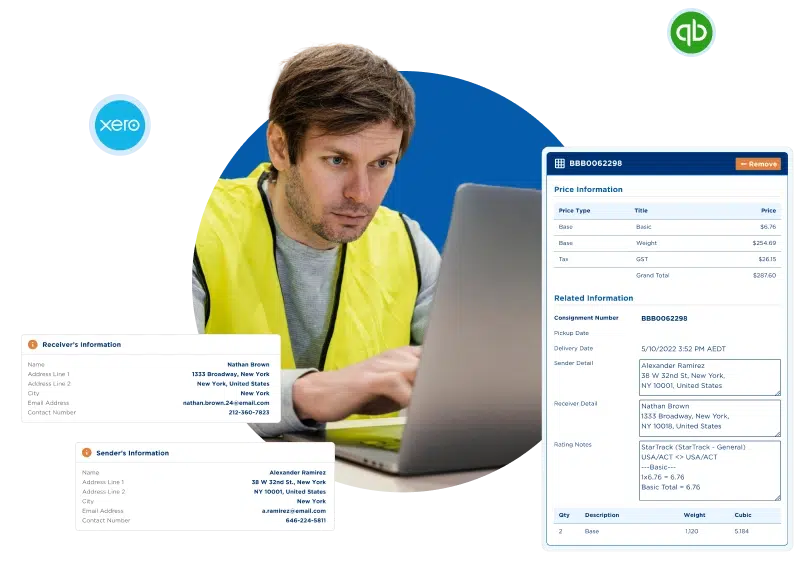
Transvirtual simplifies reverse invoicing by allowing businesses to generate and issue invoices to suppliers or partners.
Reverse Billing Hero

Trusted choice by nearly 100,000 businesses

Transvirtual Social Proof

Automated reverse invoicing

Reverse invoicing lets buyers issue invoices instead of sellers, streamlining B2B accounting and giving buyers more control. Transvirtual automates this process effortlessly for your business partners or contract accounts.
Before/after toggle

Before

Transvirtual

vs.

Before/After toggle

After

Transvirtual

Reduce the time spent managing supplier invoices.

Reverse Invoicing Simplified

Sometimes, it makes sense for you to create an invoice on behalf of a supplier. Save time reconciling and reduce risk of error.

Generate Invoices for Your Network

Generate automated invoices for agents, carriers, or subcontractors. It’s fast, convenient, and easy.

Build Trust and Avoid Costly Errors

Compare as you go. Validate the invoices you receive line-by-line. Ensure you’re getting paid accurately.

Join over 10,000+ ecstatic transport and logistics companies

Our transport solutions have over 500 configurable features designed to solve your most complex challenges

Our entire business has been positively impacted by the TransVirtual technology solution, it has allowed the business to scale without creating or increasing inefficient manual
processes.

Built for scale

Anthony Tanner, VT Freight Express CEO Profile Photo

Anthony Tanner

CEO, VT Freight Express

VT Express logo colored

TransVirtual has reduced customer enquiries by 50% and given our customers full visibility throughout the delivery process. We have also been able to review set routes and find major
cost savings.

50% reduction in customer queries

Caledonian Transport Profile Picture

Luke O’Shannassy

General Manager, Caledonian Transport

Caledonian Transport logo

Automation prevented revenue leakage within the business, so a massive benefit for us from a profit perspective, that automation also allowed us to significantly reduce our staff headcount.

40% increase in revenue

Richard Tesoriero, CEO of Hunter Express

Richard Tesoriero

CEO, Hunter Express

Hunter Express Round Logo

Our entire business has been positively impacted by the TransVirtual technology solution, it has allowed the business to scale without creating or increasing inefficient manual
processes.

Built for scale

Anthony Tanner, VT Freight Express CEO Profile Photo

Anthony Tanner

CEO, VT Freight Express

VT Express logo colored

Automation prevented revenue leakage within the business, so a massive benefit for us from a profit perspective, that automation also allowed us to significantly reduce our staff headcount.

40% increase in revenue

Richard Tesoriero, CEO of Hunter Express

Richard Tesoriero

CEO, Hunter Express

Hunter Express Round Logo

TransVirtual has reduced customer enquiries by 50% and given our customers full visibility throughout the delivery process. We have also been able to review set routes and find major
cost savings.

50% decrease in customer queries

Caledonian Transport Profile Picture

Luke O’Shannassy

General Manager, Caledonian Transport

Caledonian Transport logo

Frequently asked questions

Reverse billing in logistics is a process where the customer creates an invoice for a supplier instead of the supplier creating the invoice. It’s also known as reverse invoicing or Recipient Created Tax Invoice (RCTI).

Reverse billing works as follows: 

  • Agreement: Both customers and suppliers agree on contract terms. 
  • Instead of the supplier issuing the invoice, the customer calculates the payables and generates the invoice 
  • Supplier reviews and approves invoice 
  • Customer processes the payment 

Reverse billing is especially useful in industries with complex supplier networks or frequent transactions. 


To implement Recipient Created Tax Invoices (RCTIs), the following documentation is required: 

Written Agreement: 

  • Both parties (customer and supplier) must sign a valid written agreement. 
  • The agreement should outline the terms, including agreed rates, payment terms, and GST requirements. 

Compliance with Tax Regulations: The agreement must comply with the Australian Taxation Office (ATO) requirements for RCTIs. 

Industry Standards: Documentation should align with industry-specific invoicing and compliance standards. 

Still have questions?

Speak to an expert