US
US
Ever tracked a parcel obsessively, refreshing the app every hour just to see if it's out for delivery yet. That's the last mile carrier at work, and it's the part of the delivery journey your customers actually care about.
Nobody's thinking about warehouses or freight routes when they're waiting on an order. They just want to know when that box is going to show up.
A last mile carrier handles this final stretch: getting the parcel from a local hub to the customer's door. It sounds simple, but it's actually the most expensive and complex leg of the entire journey. In fact, last mile delivery now makes up 53% of total shipping costs globally, up from 41% in 2018, according to the World Economic Forum. That's not a small shift. It shows just how much weight this final step now carries.
For ecommerce businesses, retailers, and couriers, getting this right matters more than almost anything else. It's the moment customers form their opinion of your brand. Get it wrong, and no amount of fast processing or smooth checkout will save the experience.
What is a Last Mile Carrier?
A last mile carrier manages the final leg of transportation, ensuring parcels reach their destination on time. They handle the biggest challenges in delivery: traffic congestion, fluctuating demand, and accurate proof of delivery.
In North America, leading providers include FedEx, UPS, USPS, Amazon Logistics, Canada Post, Purolator, Canpar, and DHL. Alongside these giants, thousands of regional and local couriers play a critical role — especially in dense urban areas and growing ecommerce markets.
How it Works
As a seller, you hand parcels to a last mile carrier who collects from your warehouse or fulfilment centre. The carrier then manages delivery to your customer, providing tracking updates and proof of delivery along the way.
Work Seamlessly with Last Mile Carriers and Enhance the Last Mile Delivery Experience
The last mile is where speed, visibility, and communication make the biggest difference. A carrier’s ability to handle these areas decides whether the delivery builds trust or frustrates the customer.
Speed tailored to products. Perishables and urgent shipments need same-day delivery, while categories like apparel or home goods can work within 2–3 day windows. Major carriers like UPS, FedEx, and Canada Post optimise routes with regional hubs, while local couriers cover fast-turnaround routes.
Tracking as more than a checkbox. Customers now expect real-time notifications, delivery windows they can trust, and proof that a package has arrived at the right location. Ecommerce businesses use the same data to verify shipments and measure carrier performance.
Communication to prevent churn. From traffic delays to demand spikes, proactive updates keep customers informed. Options like rescheduling or alternate drop-offs can turn a failed delivery into a completed one.
Improving Last Mile Delivery with Integrations
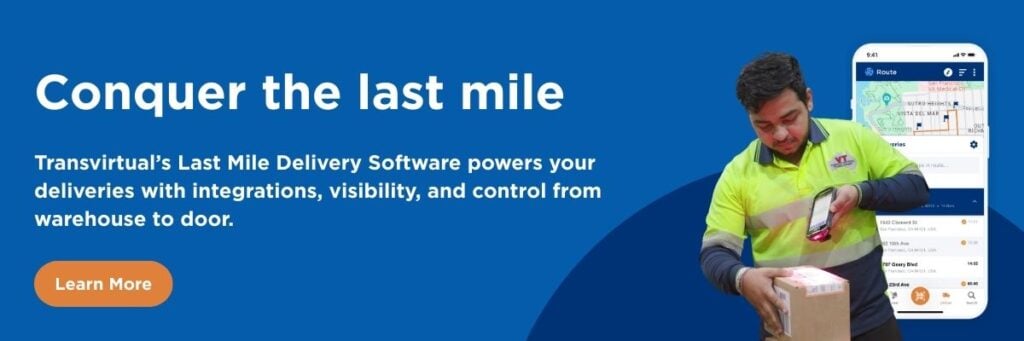
Last mile delivery is complex, but software makes it manageable. Tools that connect directly with multiple carriers provide:
Route optimization for faster deliveries
Shipment verification to reduce errors
Centralized tracking across all carriers in one platform
For businesses, this means better control of delivery performance and fewer customer complaints. For carriers, it creates opportunities to integrate their services with more retailers and ecommerce platforms, making them more competitive.