
 CA
CA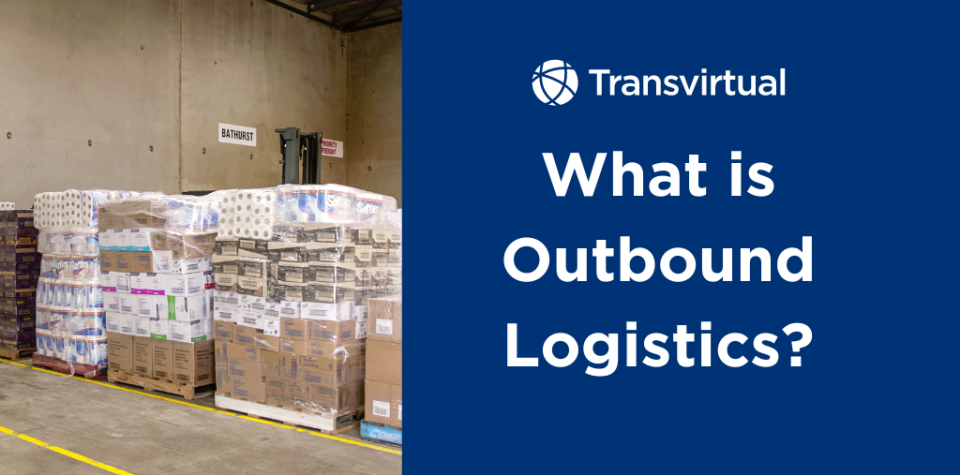
Table of Contents
Businesses rely on well-run outbound logistics operations to ensure timely and accurate deliveries, manage inventory levels, and meet customer expectations. When outbound logistics processes are poorly managed, companies face higher transportation costs, excess inventory, more returns, and declining customer satisfaction.
Understanding outbound package meaning, how inbound and outbound logistics differ, and how the entire logistics process works is essential for any business that depends on consistent order fulfillment and reliable delivery times.
What is Outbound Logistics?
Outbound logistics refers to the process of storing, transporting, and delivering finished products to end customers. Put simply, it is how your business moves finished goods out of your supply chain and fulfills customer orders. Effective outbound logistics management ensures timely delivery, reduces shipping costs, and directly boosts customer satisfaction.
Several factors contribute to successful outbound logistics. These include optimising inventory management, order processing, picking and packing procedures, and distribution channels. Streamlining these outbound logistics processes ensures your business meets delivery schedules, reduces excess inventory, and improves overall supply chain efficiency.
Inbound and Outbound Logistics: Key Differences
Inbound and outbound logistics are essential components of supply chain management. Understanding the key differences between the two helps businesses build a stronger, more responsive value chain.
Inbound logistics focuses on receiving raw materials and incoming goods from potential suppliers. Key inbound logistics process activities include:
- Coordinating delivery from suppliers and involves sourcing materials needed for production
- Managing unloading trucks and inspection of incoming supplies
- Storing items in the warehouse
- Maintaining accurate stock levels and inventory records
For example, when a company orders raw materials from a manufacturing plant, the warehouse team schedules delivery, inspects quality and quantity, stores the items, and updates inventory levels to keep pace with the supply demand equation.
Outbound logistics focuses on delivering finished products to end customers. Key outbound logistics processes include:
- Processing customer orders from the moment a customer places a request
- Picking and packing outgoing finished products
- Shipping and delivering items to their final destination
- Managing returns and reverse logistics
- Overseeing delivery through distribution centres, retail stores, or direct-to-customer channels
Outbound logistics management also involves managing customer demand and ensuring delivery speed, order accuracy, and on time deliveries that drive increased customer satisfaction.
Key Components of Outbound Logistics Systems
Outbound logistics operations rely on several core components to function efficiently across the entire supply chain.
Warehousing
Warehouse management ensures finished products are stored safely and are ready for order fulfillment. Businesses may use their own warehouse operations or partner with a third party logistics company to handle storage and distribution.
Inventory Management
Proper inventory management integrates a warehouse management system to track stock levels, prepare customer orders, and reduce inventory costs. Inventory turnover and planning metrics are essential to reduce costs and improve supply chain efficiency.
Transportation
Transportation covers moving goods from warehouses to distribution centres, fulfilment centres, or end customers. Effective outbound transportation management reduces shipping costs and fuel costs, and overall logistics complexity. Strong partner relationships with carriers are key to faster deliveries and consistent delivery speed.
Last Mile Delivery
Last mile delivery is the final step of outbound logistics, directly impacting the customer experience, profitability, and delivery speed. Route optimisation, real time visibility, and Proof of Delivery are key elements to ensure timely delivery and avoid delivery issues.
Optimising Outbound Logistics Processes
Optimising outbound logistics focuses on leveraging technology, strategic planning, and logistics partnerships across the full value chain.
Key Strategies
- Route optimisation to minimise delivery times and fuel costs
- Effective dispatch management to align with customer demand and the sales process
- Using outbound logistics systems, including a warehouse management system, to improve inventory and order accuracy
- Partnering with third party logistics providers to scale warehouse operations and material handling capabilities
Benefits of Optimised Outbound Logistics
- Reduces shipping costs and operational expenses for meaningful cost savings
- Improves delivery speed and reliability
- Minimises excess inventory and reduces inventory costs
- Ensures accurate order fulfillment and fewer cancellations
- Strengthens customer satisfaction, loyalty, and the overall customer experience
Challenges to Supply Chain Management
- Managing multiple distribution channels and the processes involved adds complexity
- Coordinating with logistics providers around inbound and outbound logistics flows can be difficult
- Balancing the demand side with available stock requires tight inventory management
- Overcoming these challenges requires integrated processes, real time visibility, and logistics outsourcing for consistent performance
Improve Outbound Logistics to Improve the Customer Experience
Outbound logistics directly impacts your supply chain efficiency and customer satisfaction. By optimising inventory management, warehouse operations, transportation, and last mile delivery, businesses can reduce costs, improve delivery speed, and meet customer expectations consistently.
Investing in outbound logistics systems, route optimisation, and strong partner relationships allows you to streamline the entire logistics process, boost customer satisfaction, and gain a competitive advantage in the market.
If you’d like to dramatically improve your outbound logistics, the team at Transvirtual are here to help. Get in touch when you’re ready or book a free demo to see how it could help you grow your business.
In supply chain management, outbound logistics refers to the process of storing, transporting, and delivering finished products from a warehouse or production facility to end customers. It focuses on ensuring timely and accurate deliveries while optimising shipping costs and customer satisfaction.
Outbound and inbound logistics are both critical to supply chain management. Inbound logistics involves receiving raw materials and goods from suppliers, including inspection, storage, and inventory updates. Outbound logistics focuses on fulfilling customer orders, including picking and packing, shipping, last mile delivery, and managing returns.
Outbound logistics relies on warehouse management systems, inventory tracking tools, and transportation management platforms. These systems help control inventory costs, improve order processing, streamline logistics operations, and provide real time visibility for distribution channels.
Last mile delivery directly impacts delivery speed, costs, and customer experience. Efficient last mile operations ensure timely and accurate deliveries, maintain inventory accuracy, and satisfy customer expectations.


 Visit our US site